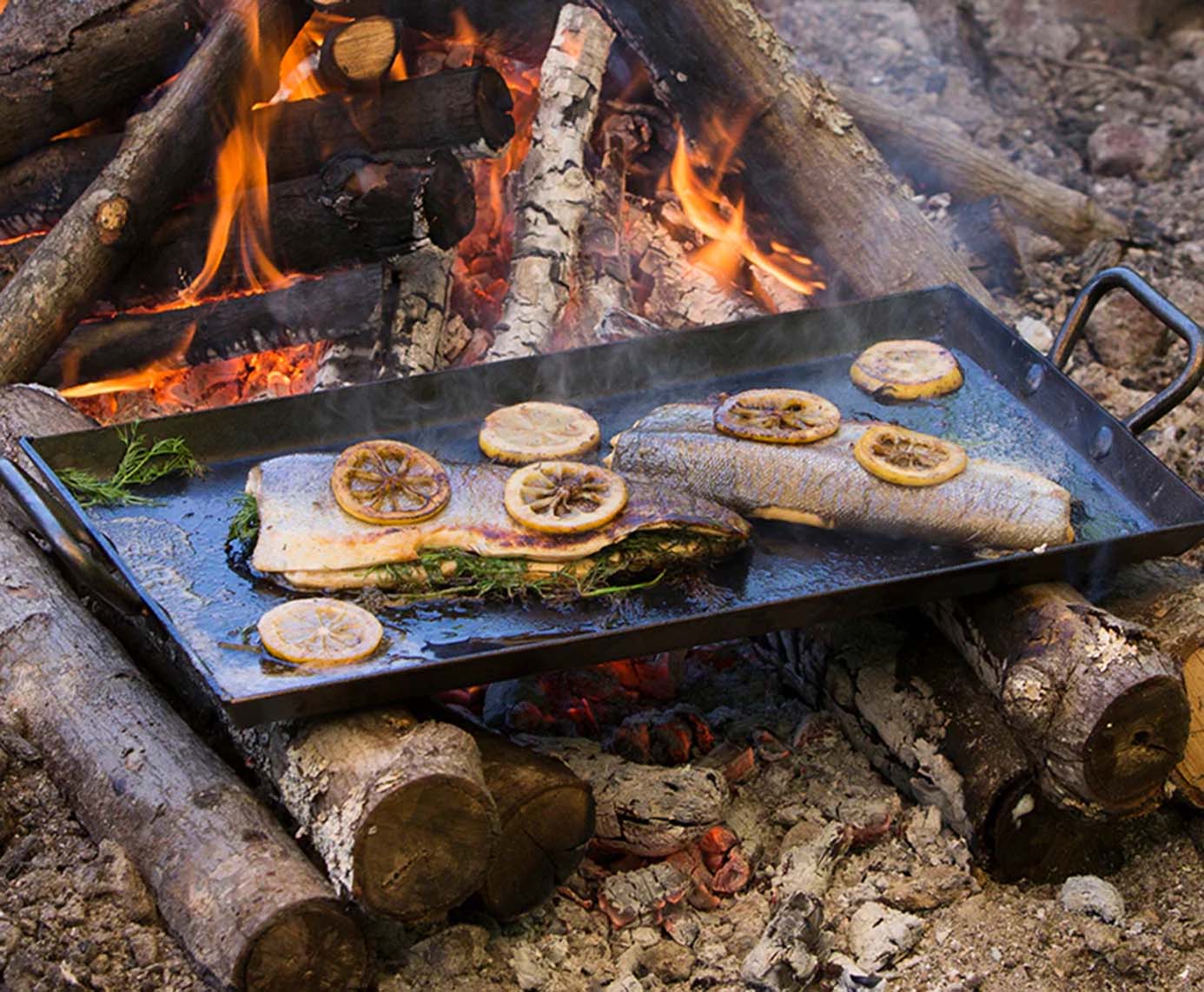
For me, camping is not only an escape from the city, but also a ritual of interacting with nature and fire. In the past, I always relied on lightweight aluminum pots or disposable camping cookware, but every cooking experience felt a bit disappointing: steaks were often burnt, stews lacked depth of flavor, and even breakfast eggs tended to stick to the pan.
Partner Brands We Love
Takingshape.com
Fashion that fits your life — and your shape.
CredoBeauty.com
Clean, ethical beauty — where skincare meets conscience.
That changed completely when I brought LodgeCastIron outdoor cast iron cookware and its accessory tools on my trips. My camping cooking experience was transformed.
In the following, I’ll share my real experience using cast iron cookware and matching tools during camping, including fire building, cooking, slow stewing, and grilling—so you can feel the charm of outdoor cast iron cooking.
Fire Building and Temperature Control: The Key to Charcoal Preparation
In outdoor cooking, the first step is always fire—without a stable heat source, even the best ingredients cannot shine.
When I first started camping, I used traditional methods to light charcoal, but the flame was easily affected by wind. The heat fluctuated constantly, leading to uneven cooking, with burnt spots on the pan or undercooked centers.
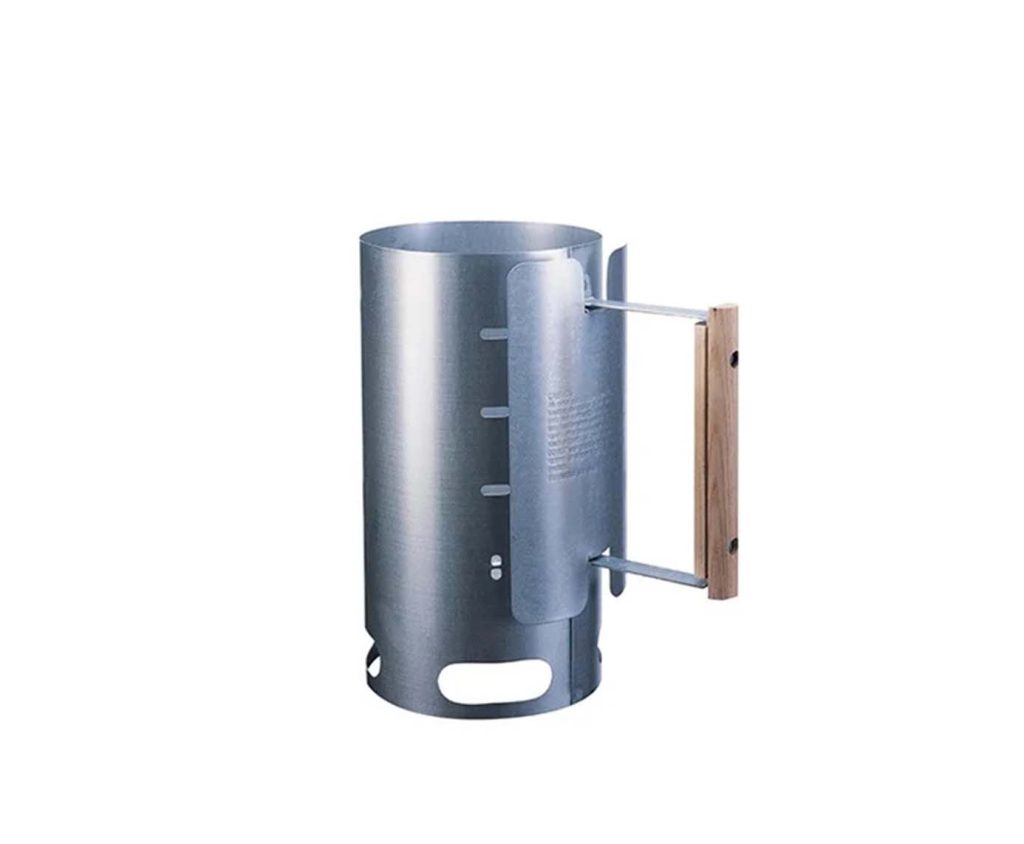
Later, I tried a Charcoal Chimney Starter, and it solved almost all of these problems.
The operation is very straightforward: fill the chimney starter with charcoal, place fire starter material underneath, and light it. After about ten to fifteen minutes, the charcoal burns evenly and forms a stable heat source.
What I especially like is that the flame does not surge suddenly, and no liquid accelerants are needed, so there is no unpleasant smell. It is especially suitable for family camping or situations with children.
Once the charcoal is ready, I place LodgeCastIron cast iron pans or Dutch ovens on the embers to preheat. Compared to lightweight cookware, their thick bodies absorb and release heat slowly and evenly. Even when the fire fluctuates, the temperature inside the pot remains stable.
For example, when I slow-cook soups or stews in a Dutch oven, even if the fire is not very strong, the food still cooks thoroughly, resulting in tender meat and well-developed flavor. When frying or searing, the thermal buffer of cast iron creates a perfect crust without the “burnt edges and raw center” problem common with thinner cookware.
During this process, I also learned to adjust the distance between the pot and the coals. If I need higher heat for quick searing, I use tongs to move the cast iron pot closer to the fire. If I want slow cooking or heat retention, I place it on a lower-heat area so the food can gradually absorb heat.
This control method allows me to manage cooking outdoors almost like in a kitchen, and the stability of LodgeCastIron is the key to achieving it.
Safety and Handling: Essential Details That Make Outdoor Cooking Easier
In a camping environment, I quickly realized that safe handling is just as important as heat control. Fire temperatures change quickly, and cookware becomes extremely hot, making accidents easy if you are not careful.
At first, I often felt a bit overwhelmed, until I started using the LodgeCastIron accessory tool set, which made everything much more stable and smooth.
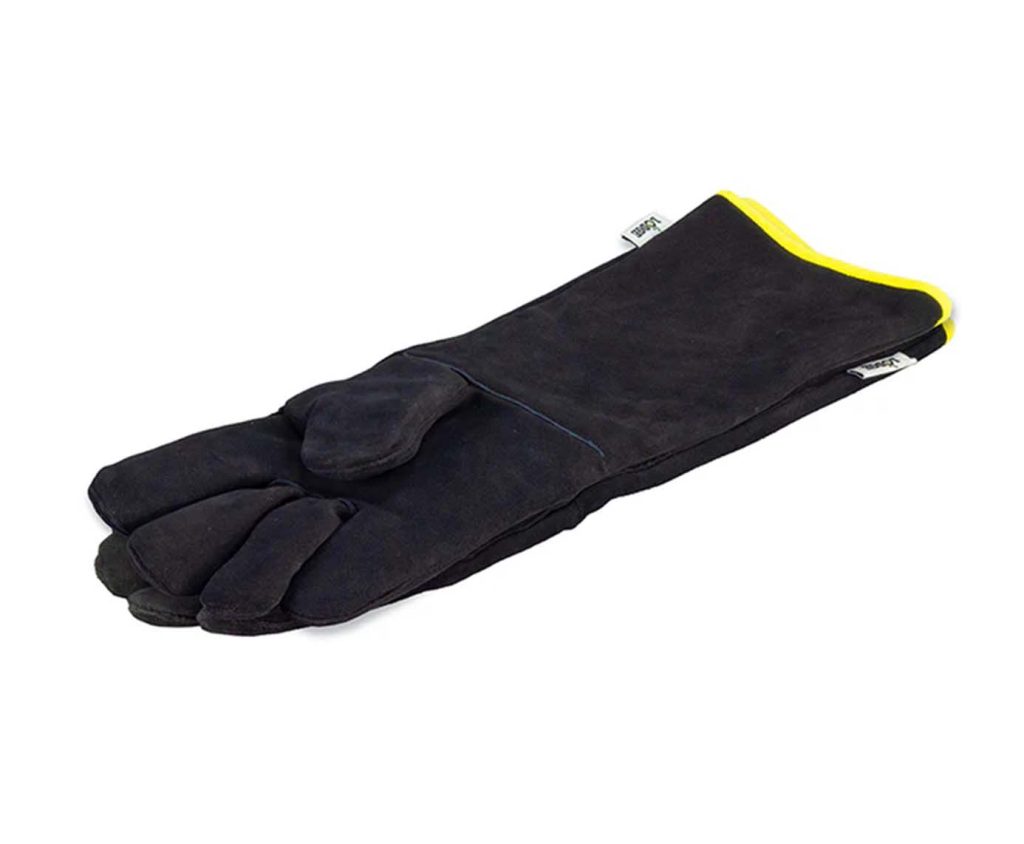
The most important item is the Lodge Leather Gloves. These are not ordinary heat-resistant gloves—they strike a great balance between thickness and flexibility. In use, they not only protect against high heat but also allow me to maintain a strong grip when handling heavy cast iron pots or Dutch ovens.
For example, when adjusting cookware over hot coals, I can firmly hold both handles and move it without worrying about slipping or burns, which is especially important outdoors.
For food preparation, Grill Presses also made a noticeable difference. In the past, burger patties often cooked unevenly or puffed up during camping. With the press, patties stay flat against the grill or pan, heat is distributed more evenly, and a crisp crust forms quickly while locking in juices.
That “crispy outside, juicy inside” result feels even more rewarding in a campfire setting than in a kitchen.
Morning Camp Breakfast: A Simple Yet Ritual-Like Meal
Camping mornings are always the quietest moments. The air is cool, birds are singing in the distance, and the fire embers occasionally crackle softly.
Cooking breakfast at this time feels more like a ritual than a task.
I usually place a LodgeCastIron cast iron skillet over the remaining heat of the charcoal, allowing it to warm gradually instead of rushing with high heat. The advantage of cast iron is that it transforms an unstable outdoor fire into a consistent cooking surface.
Once the pan is stable, eggs or bread cook very evenly. Egg whites slowly set, edges naturally crisp slightly, and nothing sticks—even with minimal oil. Flipping food is easy and consistent without constantly adjusting the heat.
Lunch and Barbecue: The Joy of Cooking Over Charcoal
At midday or in the afternoon, my favorite activity is outdoor grilling.
Using the Sportsman’s Pro Cast Iron Grill™, I cook steaks, chicken wings, or vegetables. The thick cast iron structure distributes heat evenly from charcoal, allowing each piece of meat to lock in juices quickly while developing a natural seared crust.
With Grill Presses, the food keeps a clean shape and cooks more evenly.
The satisfaction of this process is far greater than using lightweight grills or portable cookware. Sitting by the fire, watching flames interact with food, turns cooking into a meaningful ritual rather than just preparing a meal.
Evening Slow Cooking: The Charm of the Dutch Oven
In the evening, I often use the Lodge Essential Enamel Dutch Oven for slow-cooked dishes.
The residual charcoal heat combined with the heavy pot body allows food to cook slowly at low temperature, letting flavors fully blend. Beef stew, chicken soup, or vegetable stew all develop rich layers of taste over several hours.
The Dutch oven’s advantages become especially clear here: heat retention, moisture sealing, and even cooking.
Compared to portable pots, it is not only durable but also produces restaurant-level results in the wild. Every time I lift the lid, it feels like a moment of accomplishment.
Why I Now Only Bring Cast Iron and Its Accessories Camping
After multiple trips, I found that with LodgeCastIron cookware and accessories, I can handle almost every outdoor cooking scenario.
Whether it is slow stewing, grilling, breakfast cooking, or simple frying, cast iron provides stable heat performance, durability, and versatility.
The Charcoal Chimney Starter makes fire starting fast and reliable. Leather Gloves ensure safe handling. Grill Presses and griddles improve both efficiency and food quality.
The entire camping cooking process becomes smooth, safe, and enjoyable. Every meal becomes part of the experience of nature itself.
The Perfect Ending to Camping Cooking: Enjoying Natural Flavors with Cast Iron
If you love camping and want to cook delicious meals outdoors, I highly recommend LodgeCastIron outdoor cookware and accessories.
They are durable, safe, and allow you to enjoy true cooking pleasure by the fire. From breakfast to dinner, from slow stews to barbecue, this setup covers all needs and lets you enjoy kitchen-level meals in the wild.
For me, cast iron cookware is no longer just a tool—it is the core of outdoor cooking, making every camping trip filled with anticipation, ritual, and satisfaction.