A well-organized, clutter-free wardrobe can have a profound impact on how you feel about yourself and your daily routine. In the fast-paced world we live in, it’s easy to accumulate a mountain of clothes over time—many of which never see the light of day. A wardrobe filled with items that don’t suit your lifestyle, body, or personal style can leave you feeling overwhelmed and uninspired when getting dressed.
Partner Brands We Love
Takingshape.com
Fashion that fits your life — and your shape.
CredoBeauty.com
Clean, ethical beauty — where skincare meets conscience.
The practice of wardrobe decluttering—often referred to as “KonMari” or “the art of letting go”—is a powerful approach to streamline your closet, reduce stress, and make more thoughtful, intentional clothing choices. But it’s more than just throwing out clothes you don’t wear anymore; it’s about keeping only the pieces that truly reflect who you are and support your life.
Step 1: Assess Your Current Wardrobe
Before diving into decluttering, take a moment to evaluate your current wardrobe. This isn’t just about sorting clothes into “keep” or “discard” piles. You need to identify what’s working for you and what’s not.
Ask yourself:
- Do I wear this regularly?
- Does this fit my current lifestyle?
- Does this reflect my personal style?
- Is it comfortable or practical?
- Is this item in good condition?
Try to do this without any judgment. We all hold on to clothes for different reasons: sentimental value, impulse buys, or even the hope that “one day” it will fit again. But decluttering isn’t about guilt; it’s about being honest with yourself. If something doesn’t fit, no longer flatters you, or doesn’t serve a purpose in your day-to-day life, it’s time to let go.
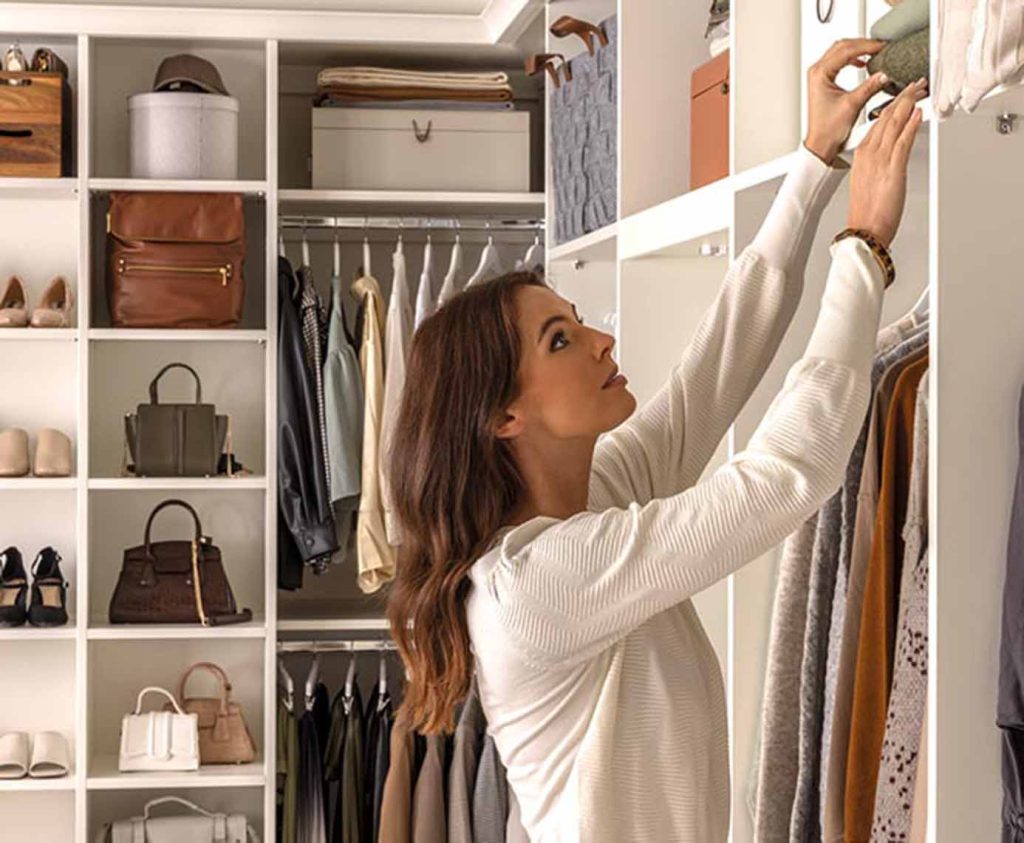
Step 2: Start with Categories
When beginning the decluttering process, tackle one category of clothing at a time. Trying to go through your entire wardrobe all at once can be overwhelming. Begin with categories that are easier to manage, such as shoes or accessories, and work your way to more challenging categories like formal wear or seasonal pieces.
Here’s a suggested order to follow:
- Shoes
- Accessories (bags, scarves, jewelry)
- Tops (T-shirts, blouses, sweaters)
- Bottoms (jeans, skirts, trousers)
- Outerwear (jackets, coats)
- Formal wear (dresses, suits)
- Activewear and loungewear
For each category, pull out all the items and take a moment to evaluate each piece. Try on clothes if necessary to check for fit and comfort. Be ruthless. Ask yourself, “Would I buy this again today?”
Step 3: Let Go of What Doesn’t Serve You
Once you’ve sorted through your items, it’s time to make the tough decisions. Some items might still hold sentimental value or remind you of an era of your life you want to keep close. However, emotional attachment should not cloud your judgment. When deciding what to let go of, consider the following criteria:
- Fit: Does it fit your current body and lifestyle? Clothes that don’t fit can be demotivating and prevent you from feeling your best. If they no longer suit you, it’s time to part ways.
- Condition: Clothes that are worn out, damaged, or beyond repair should be discarded or recycled. No one wants to wear items that are falling apart or stained.
- Style: Does the item still reflect your personal style? Trends change, and so do we. If something no longer aligns with how you want to present yourself, it might be time to say goodbye.
- Practicality: Is this item practical for your life right now? If you live in a warm climate and have no use for winter coats, there’s no need to keep them taking up space.
As you go through each item, sort them into three piles:
- Keep: Items that fit well, suit your style, and are in good condition.
- Donate or Sell: Clothes that are in good condition but no longer fit your needs.
- Discard or Recycle: Worn-out items that can’t be donated or sold.
Step 4: Organize What You’re Keeping
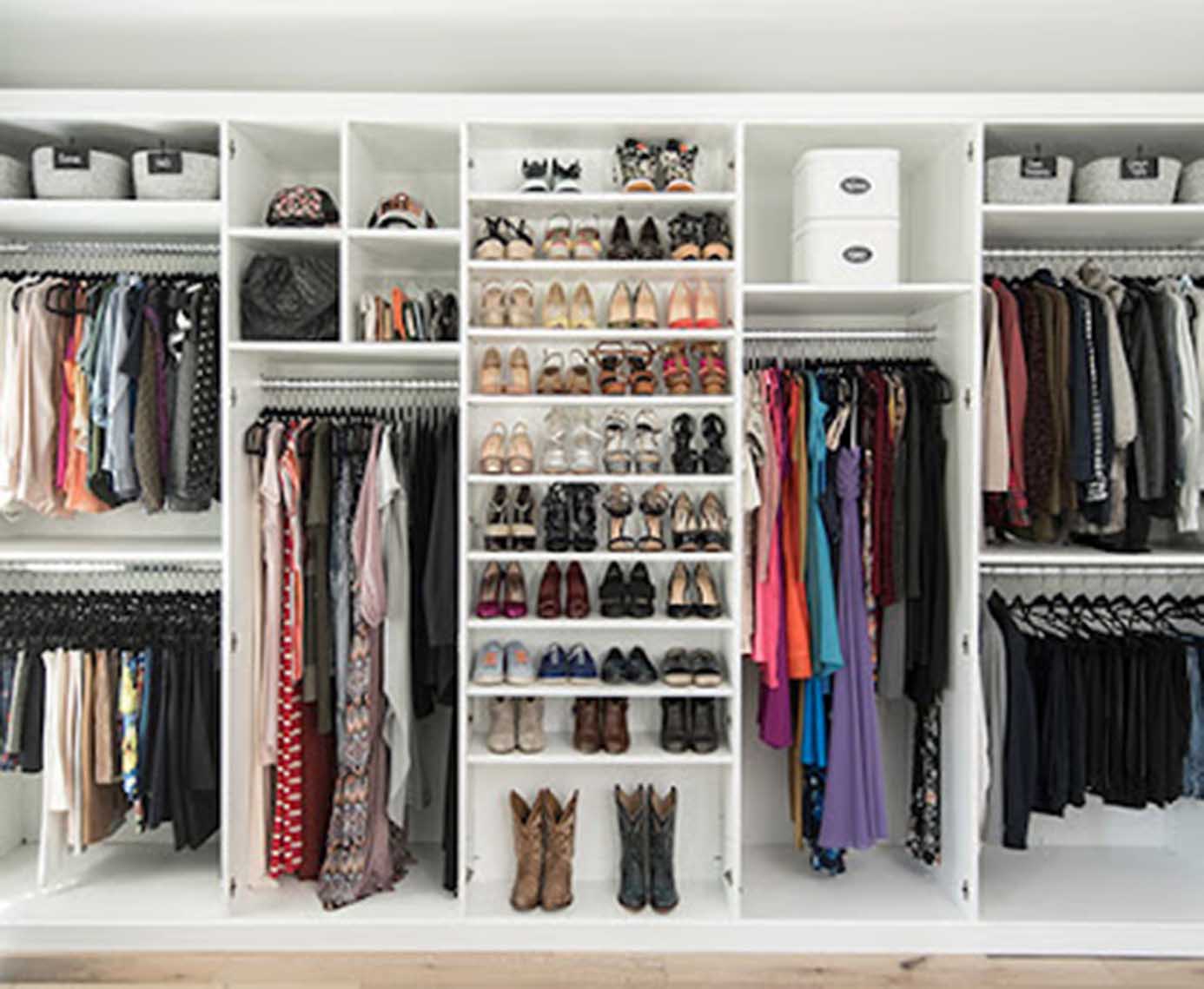
Once you’ve narrowed down your wardrobe to the pieces that truly serve you, it’s time to organize them in a way that makes them easy to access. An organized wardrobe will not only help you see everything you have but also ensure that you can find exactly what you need with ease.
Here are a few organizational tips:
- Group Similar Items Together: Arrange your clothes by type (e.g., shirts, pants, dresses) or by color for a visually appealing and functional arrangement.
- Use Hangers and Hooks: Invest in good-quality hangers to avoid clothes from becoming misshapen. Use hooks for accessories or belts.
- Store Out-of-Season Items: For clothes you don’t wear regularly (like winter coats during summer), store them in bins or under-bed storage to maximize closet space.
- Invest in Quality Storage Solutions: Utilize drawer dividers, clear bins, or fabric storage bags to keep items neat and accessible.
Step 5: Shop with Intent and Buy Less
After decluttering your wardrobe, you’ll likely notice the empty space. This is a great opportunity to be more intentional with your shopping moving forward. Avoid impulse buys or trends that may not serve you long-term. Instead, focus on purchasing items that are versatile, timeless, and truly reflect your personal style.
Before buying something new, ask yourself:
- Do I really need this?
- Can I create multiple outfits with it?
- Does this fit my lifestyle and personality?
By being more mindful of your purchases, you will be able to maintain a wardrobe full of clothes that serve both your needs and your sense of style.

Step 6: Maintain the Balance
Decluttering doesn’t end once your wardrobe is in order. It’s important to maintain the balance you’ve created by regularly evaluating your clothes. Every few months, go through your wardrobe to ensure that everything still fits, is in good condition, and serves your needs.
Also, make a habit of carefully curating new additions to your wardrobe. When buying new clothes, consider quality over quantity. It’s far better to have fewer, high-quality pieces that you truly love than to fill your wardrobe with clothes you don’t wear.
A Wardrobe That Works for You
A well-curated, organized wardrobe isn’t about perfection—it’s about ensuring your clothes align with your needs, body, and personal style. By letting go of clothes that no longer serve you and keeping only those that truly fit, you create space—both physically in your closet and mentally in your life. Remember, the goal is not to have fewer clothes for the sake of having fewer clothes, but rather to have only what truly works for you.