The skin barrier is one of the most important aspects of our skin’s health. It’s the outermost layer that protects us from harmful external factors like pollutants, bacteria, and UV rays. It also helps maintain hydration by preventing water loss. When compromised, this barrier can lead to a variety of skin issues like dryness, irritation, redness, acne flare-ups, and even more serious conditions like eczema or psoriasis. Thankfully, with the right skincare approach, the skin barrier can be repaired and strengthened.
Partner Brands We Love
Takingshape.com
Fashion that fits your life — and your shape.
CredoBeauty.com
Clean, ethical beauty — where skincare meets conscience.
If your skin feels dry, sensitive, or irritated, or if you notice a worsening of acne or inflammation, it might be time to give your skin barrier some much-needed attention. Here’s a step-by-step guide to restoring and protecting your skin barrier, ensuring it’s healthy and functioning properly.
Step 1: Understand the Role of Your Skin Barrier
Before diving into the repair process, it’s important to understand the role your skin barrier plays. It consists of the outer layer of your skin, which is made up of dead skin cells, lipids (fats), and proteins. These components work together to act as a protective shield. When this layer is intact, it keeps out harmful irritants and bacteria while locking in moisture to keep your skin hydrated and nourished.
When this barrier becomes damaged, it can cause your skin to become dry, flaky, sensitive, and prone to irritation. Harsh environmental factors, over-exfoliating, using harsh skincare products, and even stress can weaken the barrier. Understanding this helps you make better choices in your skincare routine.
Step 2: Simplify Your Skincare Routine
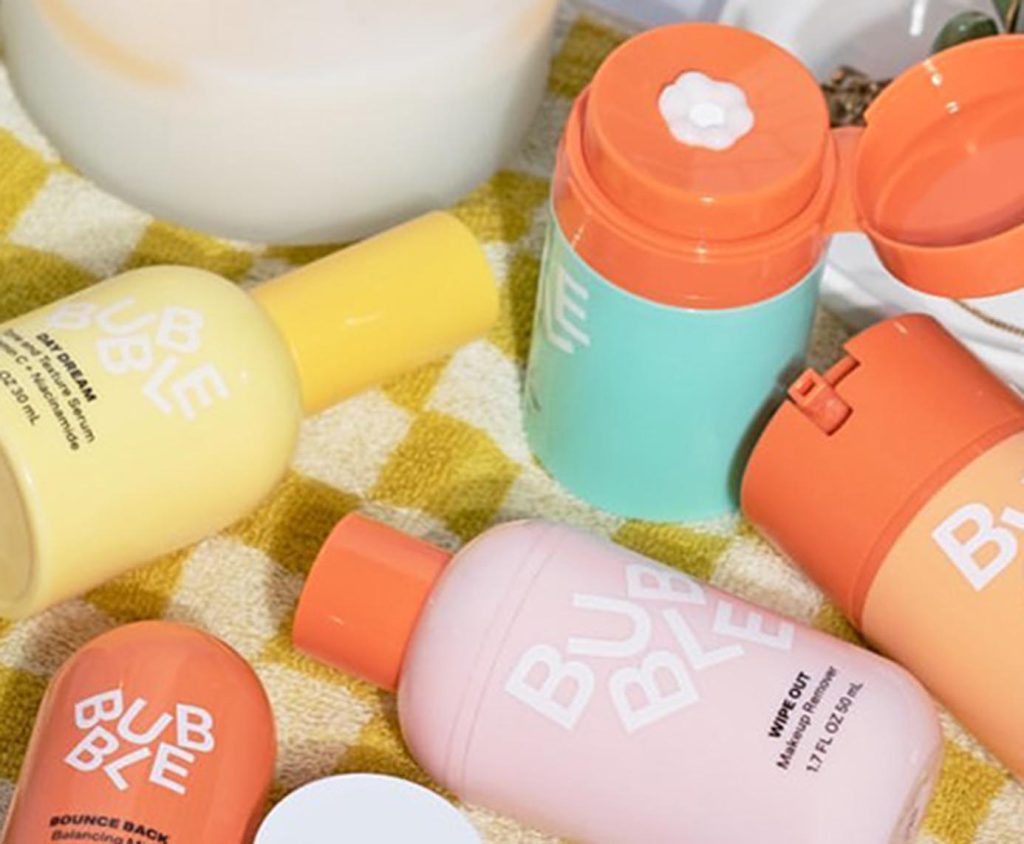
The first step to repairing your skin barrier is simplifying your skincare routine. When the barrier is compromised, it’s essential to avoid overloading your skin with active ingredients that could further irritate it. Instead, focus on nourishing and soothing the skin with gentle, hydrating products.
1. Cleanser
Choose a mild, hydrating cleanser that won’t strip your skin’s natural oils. Harsh cleansers can dry out your skin, leaving it more vulnerable. Look for cleansers that are fragrance-free and formulated for sensitive skin, as these tend to be less irritating.
2. Toner
A soothing toner can help restore your skin’s natural pH levels, which may be disrupted by harsh cleansers. Opt for a toner that is alcohol-free and contains calming ingredients like aloe vera or chamomile.
3. Exfoliation
While exfoliating is an important step in any skincare routine, it should be avoided when your skin barrier is damaged. Over-exfoliation can lead to further irritation and dehydration. Limit exfoliation to once a week or every other week, using a gentle chemical exfoliator like lactic acid or a mild enzyme exfoliant, and always follow up with a hydrating moisturizer.
Step 3: Hydrate and Nourish with a Moisturizer
The most important step in repairing your skin barrier is keeping it well-hydrated. Dehydrated skin is more likely to suffer from irritation, inflammation, and sensitivity. A good moisturizer will help lock in moisture and create a barrier against external aggressors.
When choosing a moisturizer, look for ingredients that are hydrating and skin-barrier-friendly. These include:
1. Ceramides
Ceramides are lipid molecules that are naturally found in the skin barrier. They help retain moisture and protect the skin from external irritants. Including a moisturizer with ceramides can replenish these essential lipids, which may be depleted when the skin barrier is damaged.
2. Hyaluronic Acid
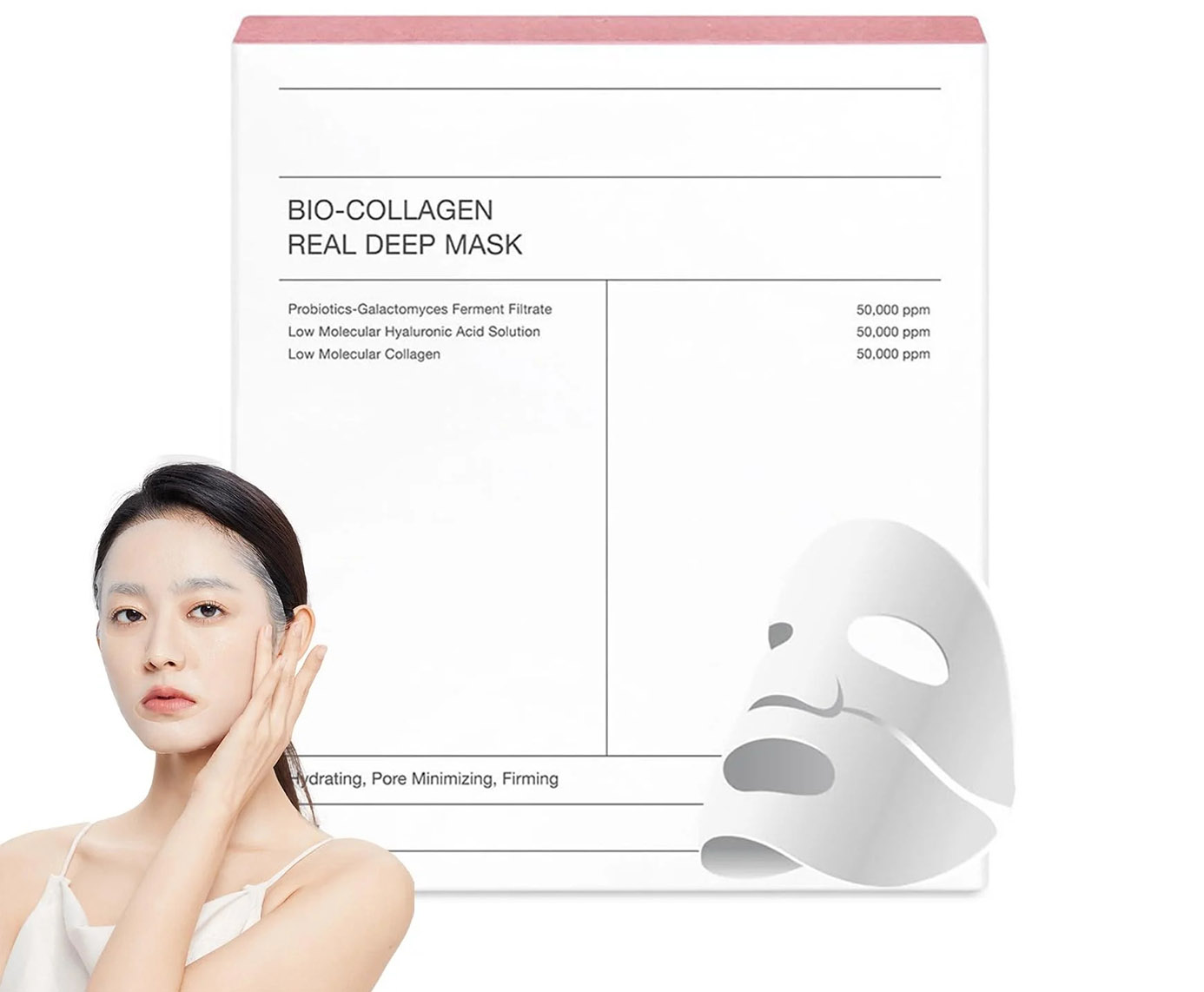
Hyaluronic acid is a humectant, meaning it draws moisture from the environment and helps keep your skin hydrated. It’s an essential ingredient for boosting skin hydration and ensuring that moisture is locked in.
3. Fatty Acids
Essential fatty acids like omega-3s and omega-6s play a crucial role in maintaining the skin barrier. They help repair damaged skin cells and enhance the barrier’s ability to retain moisture. Look for moisturizers that contain ingredients like shea butter, jojoba oil, or squalane, which are rich in fatty acids.
Step 4: Incorporate Barrier-Repairing Actives
Once your skin has been simplified and hydrated, you can start incorporating active ingredients that support the skin barrier’s repair. While these actives can help restore the barrier, they should be introduced gradually, and always be paired with hydrating products.
1. Niacinamide (Vitamin B3)
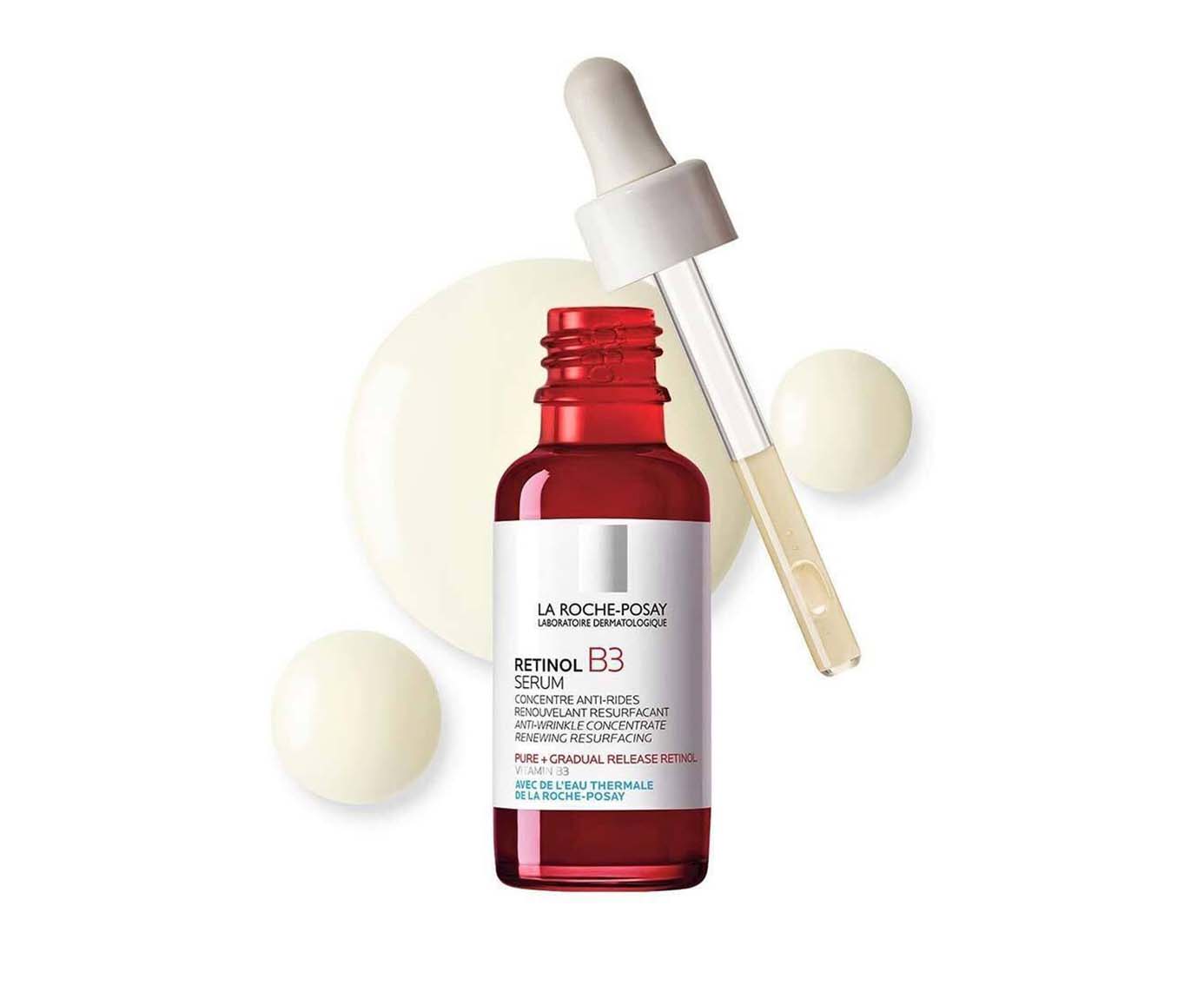
Niacinamide is a powerhouse ingredient when it comes to skin barrier repair. It has anti-inflammatory properties and helps strengthen the skin barrier by increasing ceramide production. Niacinamide also reduces redness and irritation, making it perfect for sensitive skin.
2. Panthenol (Pro-Vitamin B5)
Panthenol is another soothing ingredient that can help to restore the skin’s barrier. It attracts water to the skin and helps it retain moisture, making the skin feel soft and smooth. It also helps reduce inflammation and redness.
3. Peptides
Peptides are short chains of amino acids that help stimulate collagen production and repair the skin. They can help strengthen the skin barrier and improve overall skin health. Look for products that contain peptides, as they work to rebuild the skin’s natural defenses.
Step 5: Protect Your Skin from Environmental Stressors
Your skin’s barrier can be weakened by external factors like pollution, extreme weather, and UV rays. Therefore, it’s essential to protect your skin from these stressors while you work on repairing the barrier.
1. Sunscreen
UV rays can cause long-term damage to the skin barrier, so using a broad-spectrum sunscreen is crucial. Choose a sunscreen with SPF 30 or higher, and make sure it’s suitable for your skin type. Opt for mineral sunscreens that are less likely to irritate sensitive skin.
2. Avoid Pollution
Pollution can weaken the skin barrier over time, leading to premature aging and increased sensitivity. Try to protect your skin by avoiding prolonged exposure to polluted environments. Use products that help fight free radicals, such as antioxidants like vitamin C and E, to help reduce oxidative stress on the skin.
Step 6: Maintain a Consistent Routine
Consistency is key when it comes to repairing the skin barrier. While it may take time to see significant results, a consistent routine focused on hydration and barrier repair can help restore your skin’s health. Stick to your simplified skincare routine, and give your skin time to adjust and repair itself.
Additionally, avoid touching or picking at your skin, as this can further irritate the barrier and slow down the healing process. Also, be patient. It can take weeks, sometimes even months, to fully repair a damaged skin barrier, but with the right approach, you’ll see improvement.
Repairing your skin barrier is a gradual process that requires careful attention and the right products. By simplifying your routine, focusing on hydration, using barrier-repairing ingredients, and protecting your skin from external stressors, you’ll be able to restore your skin’s natural defenses. Over time, your skin will become more resilient, hydrated, and balanced. Take care of your skin barrier, and it will reward you with a healthier, more radiant complexion.