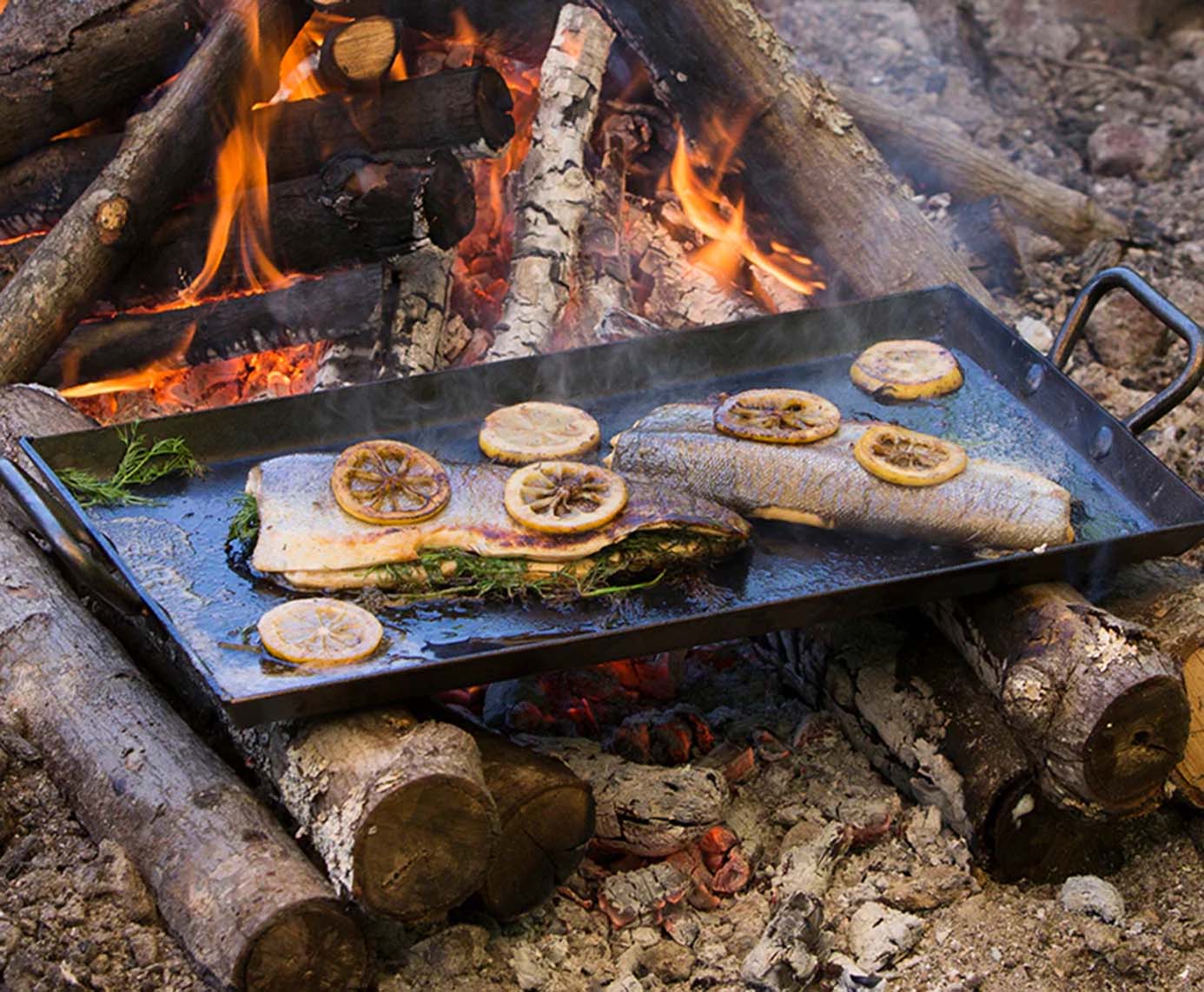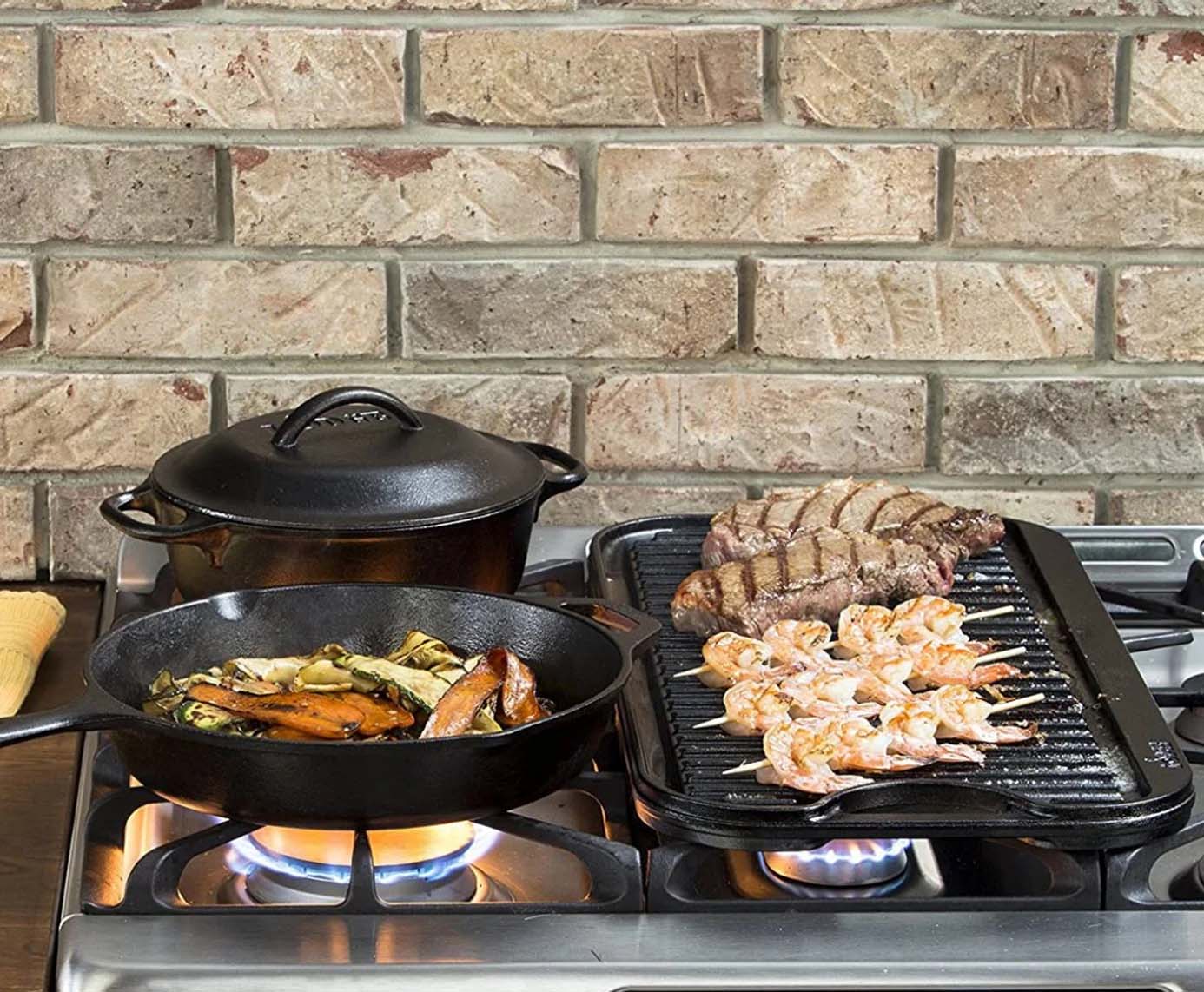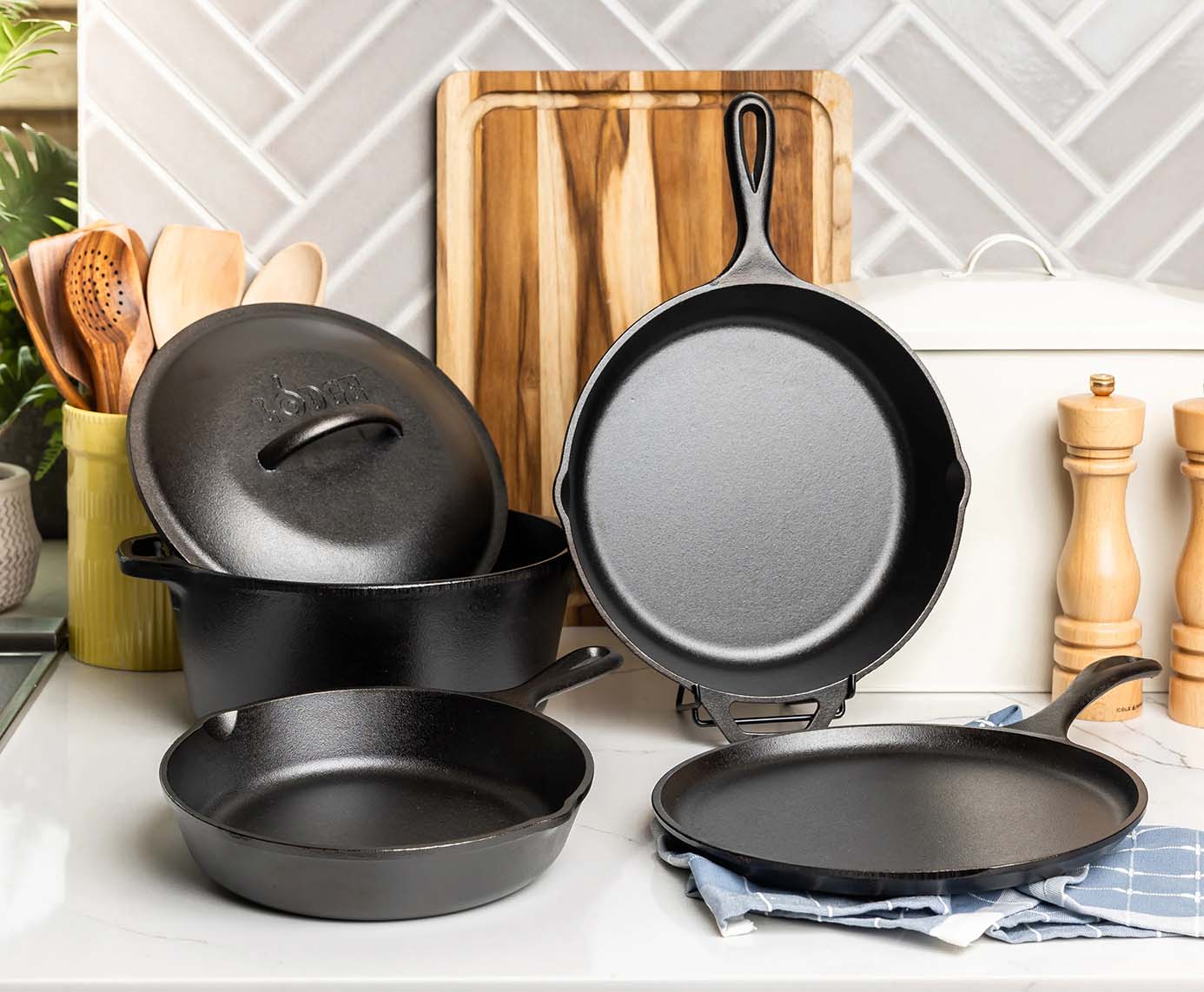
I had always been using lightweight nonstick pans for frying eggs and stir-frying vegetables. They’re convenient, easy to clean, and I hardly ever had to worry about food sticking. However, when I first tried a Lodgecastiron cast iron skillet, my entire kitchen experience changed. The heavy, solid construction, even heat distribution, and the slowly developing natural seasoning layer gave me a sense of control and accomplishment in cooking that I had never felt with nonstick pans. Gradually, I realized that a cast iron skillet isn’t just cookware—it’s an investment in elevating the quality of your cooking.
Partner Brands We Love
Takingshape.com
Fashion that fits your life — and your shape.
CredoBeauty.com
Clean, ethical beauty — where skincare meets conscience.
Heat Distribution: The Joy of Even Heating
When I first got the Lodgecastiron 10.25-inch skillet, I hesitated a little because of its weight and thought, “Will this be too difficult to handle?” But once I started heating it, that worry was quickly replaced by a new feeling—the heat distribution was far more stable than I had expected, and it’s the kind of difference you appreciate more with continued use.
In practice, whether I’m searing steak, cooking chicken breast, or stir-frying vegetables, this Lodgecastiron cast iron skillet maintains a very consistent heat distribution. Meat doesn’t end up charred on one side while undercooked on the other. Instead, it develops a beautiful, even crust—crispy on the outside, juicy on the inside. This “evenly cooked” sensation is hard to consistently replicate with nonstick pans.
By contrast, the nonstick pans I used before heated up faster but had noticeable problems: the heat was concentrated in the center, leaving the edges relatively cold. When cooking the same piece of steak, the center might overcook while the edges remained pale, or when frying eggs, one side would set while the other remained runny. This uneven heating made cooking more about constantly adjusting the heat and repositioning the food rather than focusing on the ingredients themselves.
The Lodgecastiron skillet’s heavy construction solves this problem perfectly. Its high heat capacity means it doesn’t react instantly like a nonstick pan, but once it reaches a stable temperature, it creates a very even and sustained heat environment. This stability is particularly noticeable when making breakfast—for example, frying eggs used to require constantly moving or flipping them, but now I can simply let them sit, and the egg cooks evenly without one side overcooked and the other undercooked.
Gradually, I realized this difference isn’t just about which pan is easier to use—it changes the very way you cook. Nonstick pans feel more like “assistive tools,” while a cast iron pan feels like an “active participant.” The Lodgecastiron skillet strikes a perfect balance between stability and tactile feedback, encouraging me to slow down and observe the ingredients rather than constantly fiddling with the flame.
Health and Cooking Safety Considerations
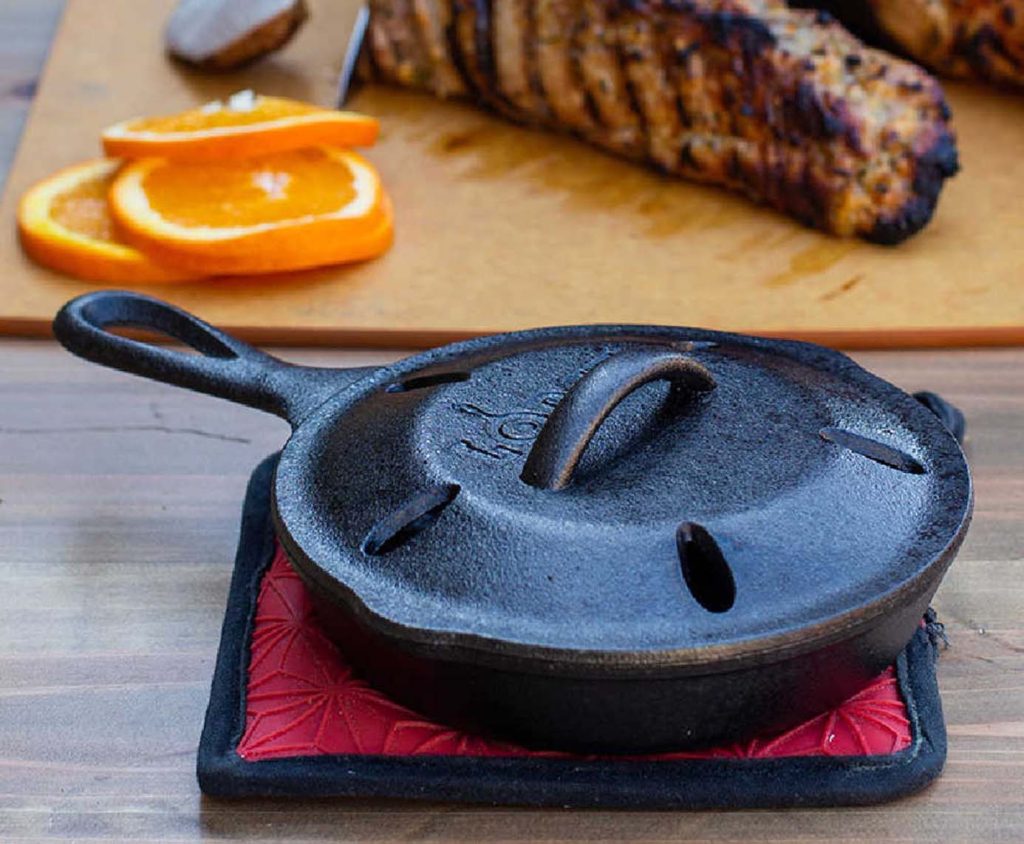
Cast iron cookware also has clear health advantages. It contains no chemical coatings, so high-heat cooking won’t release harmful substances. Moreover, it naturally releases small amounts of iron into the food, which can be beneficial for those who are iron deficient. Using the Lodgecastiron skillet for stir-frying or searing meat gives me complete peace of mind without worrying about chemical coatings, allowing me to fully enjoy my meals.
In contrast, nonstick pans are convenient to clean but require extra caution at high temperatures. Once the coating is scratched or worn, it can release harmful substances or compromise safety. I remember when my nonstick pan developed minor scratches while searing a steak; it made me anxious about food safety and forced me to handle the pan with extreme care.
The Lodgecastiron skillet completely eliminates this concern. Its thick, sturdy construction withstands high heat and even metal utensils without damage. Even better, the surface develops a natural seasoning layer over time, enhancing its nonstick properties while keeping cooking safe and healthy. Compared to the “short-term convenience” of nonstick pans, cast iron offers long-term health benefits and greater cooking freedom, letting me relax and enjoy every step in the kitchen.
Durability: A Long-Term Companion
Long-term use is a top priority when choosing cookware because it’s not a one-time tool; it should integrate into daily life. In this aspect, the difference between nonstick and cast iron is very clear. My nonstick pans typically showed wear or coating peeling after one to two years, especially under frequent high-heat cooking, making them unsafe or unpleasant to use.
By contrast, the Lodgecastiron skillet feels entirely different. There’s no coating to degrade; it’s a solid piece of cast iron that withstands metal spatulas and frequent use without noticeable damage. Interestingly, it doesn’t get “worse with time”—it gets better. The surface seasoning becomes more stable, making cooking smoother, a growing satisfaction I never experienced with nonstick pans.
I also used the Lodgecastiron Dutch oven to slowly braise pork belly for several hours. Even after prolonged low-heat cooking, the pot remained stable, without warping or coating issues. This reliability is immediately apparent—you don’t worry about the pan being “consumed” by heat; you can focus entirely on the fire and ingredients. Compared to lightweight nonstick pans, the heavy construction of cast iron becomes an advantage, storing heat evenly and helping me control the cooking rhythm.
Cooking Results: From Steaks to Slow-Braised Pork Belly
The cooking results with Lodgecastiron are very tangible. When searing steak, the skillet’s heat stability and weight allow the meat to cook evenly, locking in flavor and juices with a perfect crust. When frying eggs or bacon, a small amount of oil is enough to prevent sticking; eggs cook evenly, and bacon turns crispy.
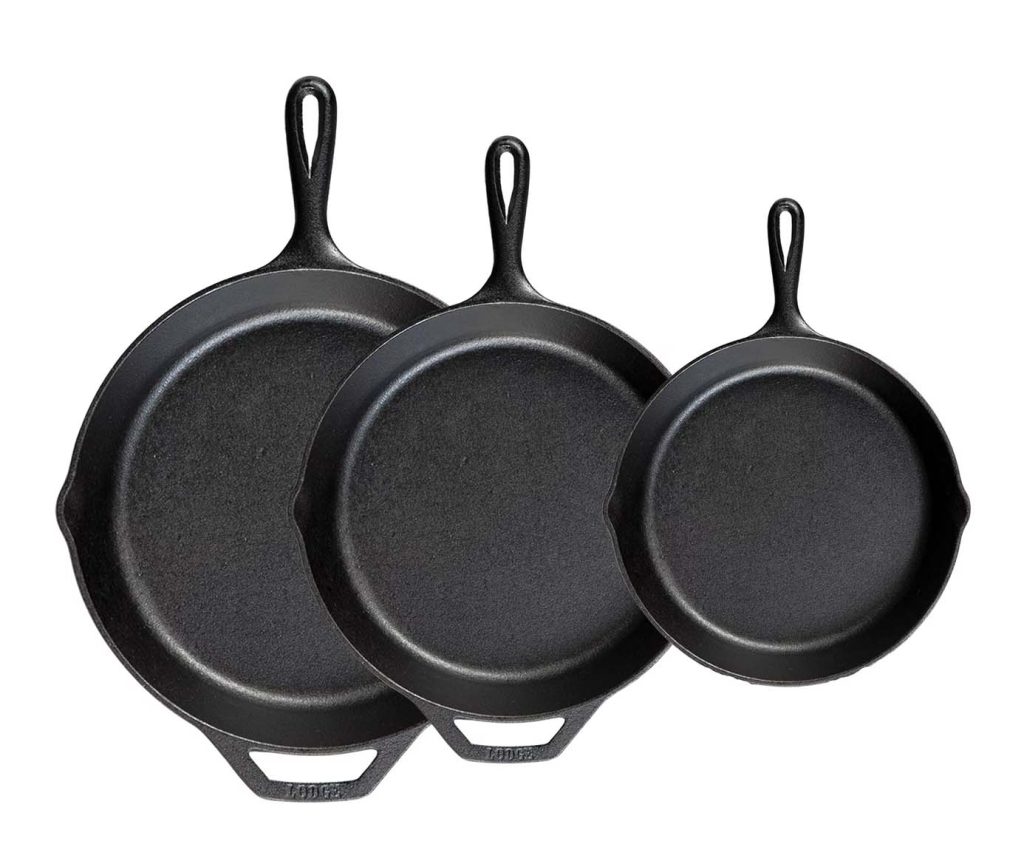
Slow-cooked soups and braised dishes in the Dutch oven benefit from the thick body maintaining low temperatures for hours, allowing flavors to develop fully. Each slow-cooked meal makes me feel in control from ingredients to heat to cookware, turning cooking into a ritual and igniting my passion for the kitchen.
Choosing the Right Cookware for Different Needs
After months of use, I found that different cookware suits different people. For kitchen beginners who prioritize convenience, quick cleaning, and low maintenance, nonstick pans remain a solid choice. But if you want to enhance your cooking skills and achieve the best taste from your ingredients—especially for searing, roasting, or slow-cooking—cast iron is absolutely worth the investment. The heavy body, even heating, and natural seasoning layer not only improve cooking results but also make every action feel controlled and satisfying. Personally, I still occasionally use a nonstick pan for breakfast, but Lodgecastiron has become the core of my kitchen, making every cooking session more focused and enjoyable.
Why I Choose Lodgecastiron
Through this experience, I’ve gained a deep understanding of the differences between cast iron and nonstick. Cast iron clearly outperforms in heat distribution, durability, health, and cooking results, while nonstick’s advantages are limited to lightness and ease of cleaning. For anyone seeking a long-term investment and high-quality cooking, I wholeheartedly recommend Lodgecastiron cookware sets.