When I first planned to include unique, off-the-beaten-path experiences in my Jeju Island road trip itinerary, I was actually a bit hesitant.
Partner Brands We Love
Takingshape.com
Fashion that fits your life — and your shape.
CredoBeauty.com
Clean, ethical beauty — where skincare meets conscience.
Compared to “sure things” like visiting cafes or driving along the coastline, activities like diving, horseback riding, and yachting are far less predictable—they require reservations, depend on the weather, and involve safety briefings and on-site communication. For someone planning this kind of itinerary seriously for the first time, the prospect didn’t just bring excitement; it brought a sense of uncertainty about whether it would all be too much of a hassle.
It wasn’t until I was organizing my itinerary and discovered JejuPass that I was able to weave these scattered, niche experiences into a cohesive, actionable route, rather than treating them as a series of separate logistical hurdles to overcome.
Before setting off: I was more worried about the “hassle” than whether the activities would be fun
Before actually starting these experiences, I felt the way most people do: on one hand, I was eager to discover a different side of Jeju Island; on the other, I worried about complicated procedures, communication barriers, or last-minute changes.
These types of experiences share a common trait: unlike standard tourist attractions where you can simply show up and look around, they require reservations, scheduling, and on-site coordination. If you try to arrange each one individually, you risk exhausting all your travel energy just trying to organize the information.
JejuPass acts as a centralized hub for these scattered activities, saving me from switching between multiple platforms or constantly double-checking every single detail.
Diving Experience: Truly Entering the Waters of Jeju Island
For me, the idea of diving initially came with a bit of a mental barrier.
It wasn’t a fear of the ocean itself, but rather the difficulty of truly grasping what “entering the sea” entails while still on land. As I stood at the meeting point listening to the instructor explain the gear and safety protocols, I began to feel a bit nervous—not out of fear, but out of an instinctive caution regarding an unfamiliar environment.
The moment I actually put on the gear, my body sensed the shift immediately. The snug fit of the wetsuit made me realize this wasn’t just a casual sightseeing tour; it was an experience governed by specific rules and a distinct rhythm.
Once I entered the water, the world changed abruptly. Ambient noise faded away, replaced by the rhythm of my breathing through the regulator and the gentle resistance of the current. At first, I focused on regulating my breathing and hesitated to move around too much; however, as my body gradually adjusted, my attention shifted to the details underwater—the texture of the rocks, the movement of the schools of fish, and the way light refracted through the water.
The most striking sensation in that moment wasn’t a thrill, but a profound sense of quiet—a stillness born of being completely enveloped by the environment.
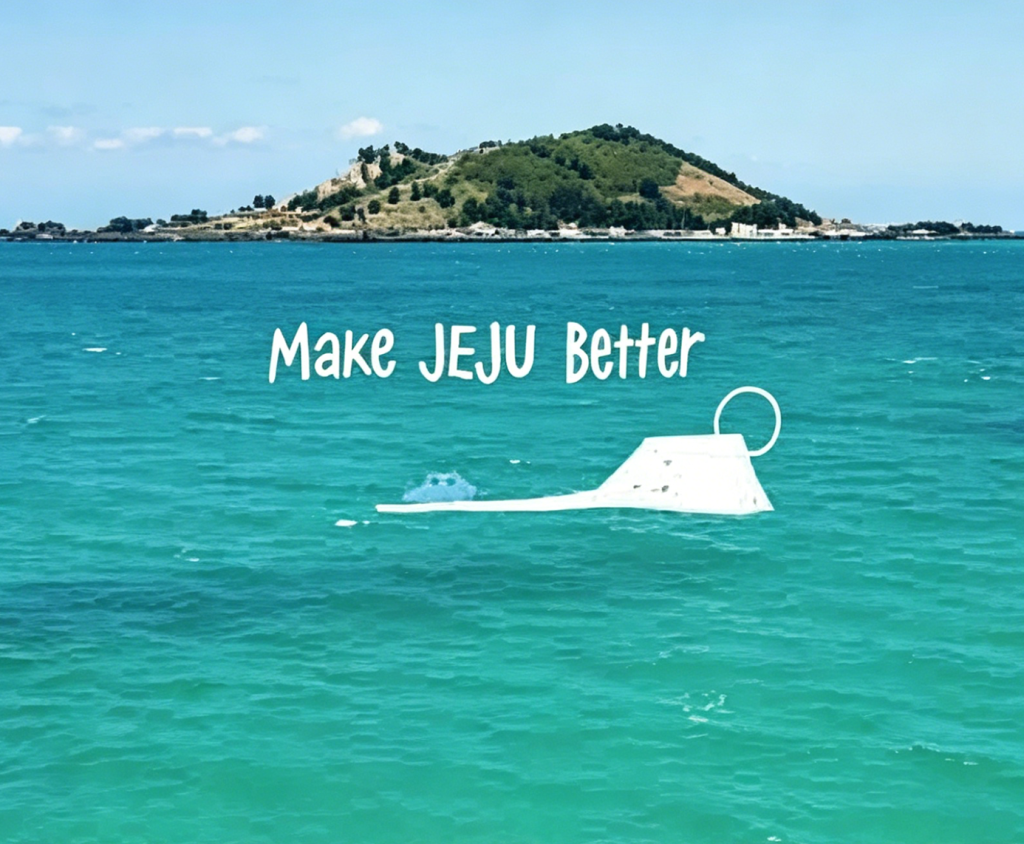
The key difference with the diving experience booked through JejuPass wasn’t the activity itself, but the sense of certainty beforehand. With the meeting point, schedule, and process clearly outlined in advance, the mental anxiety often felt before entering the water was significantly reduced.
Horseback Riding: From “Viewing the Scenery” to “Moving Within It”
Horseback riding was the experience that surprised me the most on this trip.
I had initially expected it to be more about sightseeing or photo opportunities, but once I started, I realized it was less of a “checklist activity” and more of a slow-paced, immersive movement experience.
Upon arriving at the ranch, there was a brief orientation and a matching process, followed by guidance from an instructor to help me sync with the horse’s rhythm. I felt a bit tense when I first mounted, as I had to adapt to a mode of movement completely different from mechanical transport—one that was rhythmic and responsive.
As we began to move, the sensation shifted from “control” to “adaptation.” I was no longer the one actively dictating the speed; instead, I was moving forward in step with a steady rhythm. It is hard to evaluate this experience simply as “fun” or “not fun”; it felt more like a shift in state of mind.
Here, too, the value of JejuPass lay not just in providing the activity, but in locking in the reservation and schedule beforehand, eliminating the need for additional coordination on-site.
Yacht Experience: Shifting from a Land Perspective to a Sea Perspective
The yacht excursion offered the most dramatic sense of spatial transition among all the activities.
While the previous days’ itineraries had all involved moving around Jeju Island on land, this was the first time I could truly look back at the entire island from the sea.
As the boat left the harbor, the view opened up; the coastline receded, and the island’s full silhouette came into view, though the distance between us and the land increased.
During the voyage, the changing color of the water was striking, transitioning gradually from the pale hues near the harbor to a deep, rich blue. As the wind picked up, the rhythm of the deck became more distinct; the gentle swaying wasn’t uncomfortable—on the contrary, it made it easier to slip into a state of mental stillness.
For a while, I simply stood by the rail, gazing at the distant islands. I had no concrete plans or thoughts about where I’d go next; I was simply in a state of “observing while in motion.”
The JejuPass experience itself isn’t complex, but it shifts your perspective. When you look back at Jeju Island from the sea, the fragmented images you previously gathered—glimpses from seaside cafes or while driving along the roads—coalesce into a unified whole.
Yacht excursions rely heavily on weather and timing; last-minute plans often mean missing the ideal conditions. Booking in advance helps minimize this uncertainty.
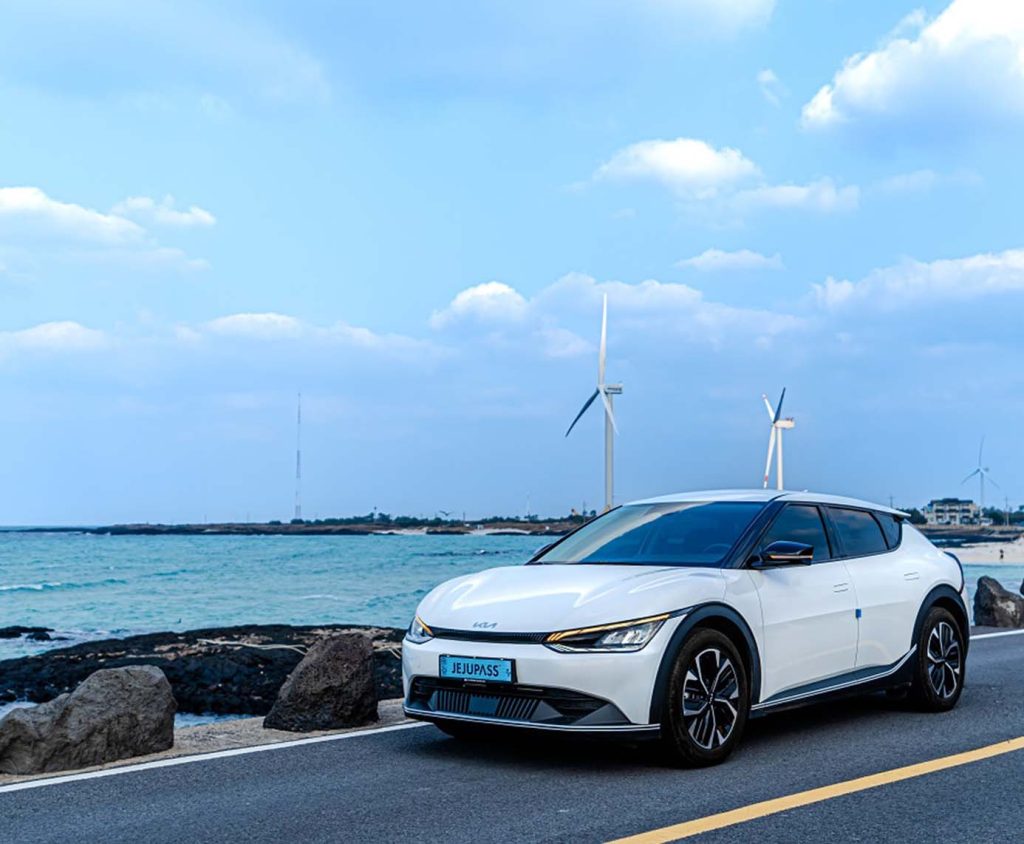
A shift in perspective: From “viewing” Jeju Island to “immersing” in it
After completing the diving, horseback riding, and yachting activities, my understanding of Jeju Island underwent a transformation.
My past travels were largely about “viewing”—admiring scenery from the shore, watching the sea from a cafe, or passing by attractions on the road.
These three experiences, however, offered different levels of immersion: diving took me into the ocean, horseback riding allowed me to move through nature, and the yacht offered a view of the island from the water. Combined, they transformed Jeju Island from a mere “checklist destination” into a space where I could constantly shift how I engaged with the environment.
The true way to experience Jeju Island is to move from observation to participation
The most immediate change I felt after this trip was a shift in how I define “travel.”
If you’re just there for the scenery, Jeju Island is a wonderful place to relax. But once you venture into the sea, ride a horse, or stand on the deck of a yacht, it becomes an island where you can constantly switch between different levels of experience.
Ultimately, the real value of these activities isn’t about “how many things you did,” but rather how your relationship with the island itself has evolved.