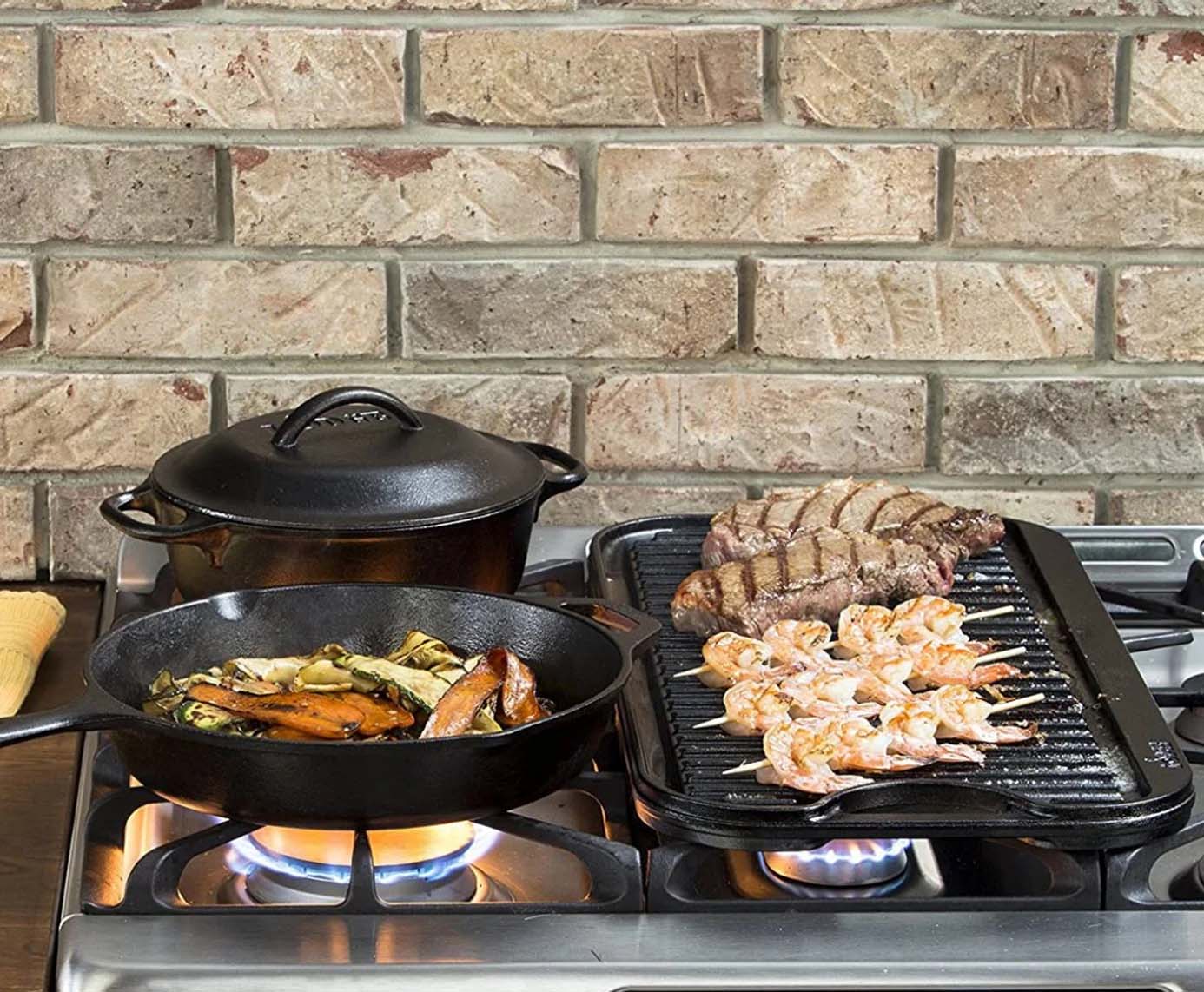
When I first started using a cast iron skillet, my biggest concern wasn’t cooking—it was maintenance. Cast iron is often described as extremely delicate: no dish soap, no soaking, frequent seasoning required. But after actually using a LodgeCastIron skillet, I realized that many of these worries are exaggerated. With the right approach, cast iron is one of the most low-maintenance and durable kitchen tools you can own.
Partner Brands We Love
Takingshape.com
Fashion that fits your life — and your shape.
CredoBeauty.com
Clean, ethical beauty — where skincare meets conscience.
In this article, I’ll share my personal experience with cleaning, maintaining, preventing rust, and making the skillet smoother and more reliable over time.
Cleaning After Use: Keep It Simple
When I first used a cast iron skillet, I thought cleaning would be complicated. But with a LodgeCastIron skillet, I found the process actually very simple.
After cooking, I usually clean it while it’s still slightly warm. At this point, the oils haven’t fully solidified, so rinsing with warm water easily removes most food residues. For stubborn bits, I gently scrape them off with a soft brush or wooden spatula—never a steel scrubber.
Many people worry about using dish soap, but in my experience, occasional use of a small amount of mild soap does not damage the skillet’s seasoning layer, as long as you don’t soak it. This is especially true for LodgeCastIron skillets, which come pre-seasoned and already have a protective coating.
After cleaning, I immediately wipe the skillet dry with a paper towel, then heat it on the stove for a few minutes to evaporate any remaining moisture—the most important step to prevent rust.
Preventing Rust: Focus on “Dry + Thin Oil Layer”
Many people think cast iron rusts easily, but the problem is usually leftover moisture.
Through my experience with LodgeCastIron, I’ve found a very simple method: dry completely + apply a thin oil layer.
After each cleaning, I make sure the skillet is fully dry. While it’s still slightly warm, I apply a very thin layer of vegetable or cooking oil. Not a thick coat—just enough to leave a nearly invisible sheen.
This forms a natural protective barrier, which also strengthens the seasoning over time, making the skillet smoother with use.
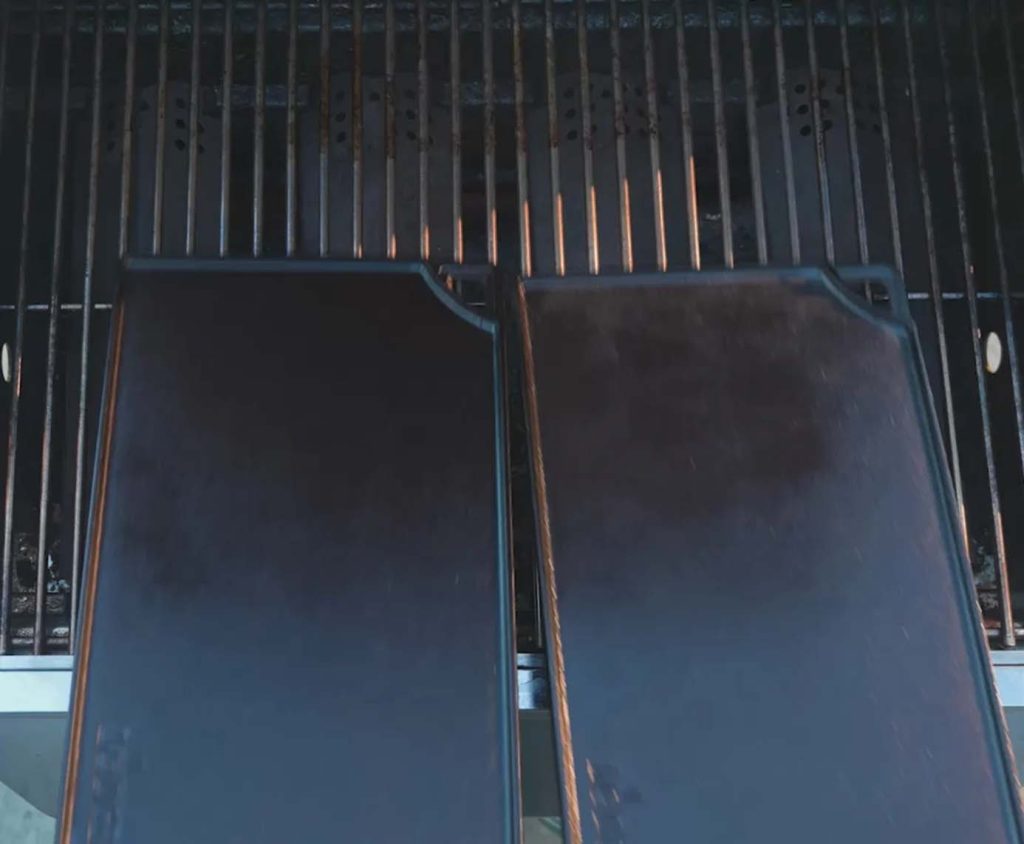
This method is especially important for outdoor camping, where humidity and temperature changes can cause rust. Once, I forgot to oil my skillet after a lakeside camping trip and found minor rust the next day—but after cleaning and oiling, the skillet returned to perfect condition. That experience reinforced my confidence in LodgeCastIron’s durability.
Re-Seasoning: Restoring Your Skillet
Even pre-seasoned LodgeCastIron skillets can become rough over time due to high heat or improper cleaning. This is when re-seasoning is needed.
Here’s my simple process:
- Wash the skillet thoroughly with hot water, then dry and heat it briefly to remove moisture.
- Apply a very thin layer of oil to the inside and outside of the skillet. I usually use vegetable oil.
- Place the skillet upside down in the oven and bake at medium-high heat for about an hour.
After cooling, the surface becomes smoother, and the color deepens. You don’t need to do this frequently—just occasionally to maintain optimal condition over long-term use.
Common Mistakes: Newbie Pitfalls
I’ve made several mistakes while learning to use cast iron. The most common include:
- Soaking too long: This is the quickest way to cause rust, even for LodgeCastIron skillets.
- Over-cleaning: Scrubbing aggressively with steel wool can damage the seasoning, making the skillet stickier.
- Applying too much oil: Many think more oil is better, but thick layers can become sticky or gummy when heated. Thin coats are enough.
- High-heat empty heating: Cast iron can withstand high temperatures, but prolonged empty heating can damage the protective layer.
I went through all of these, but over time I learned the correct methods.
Extending Lifespan: Making Your Skillet Better with Use
After using LodgeCastIron for a while, I realized: cast iron doesn’t get worse with use—it gets better.
Some key habits for longevity:
Oil after every use: Even after something simple like frying an egg, applying a thin layer of oil helps maintain the seasoning.
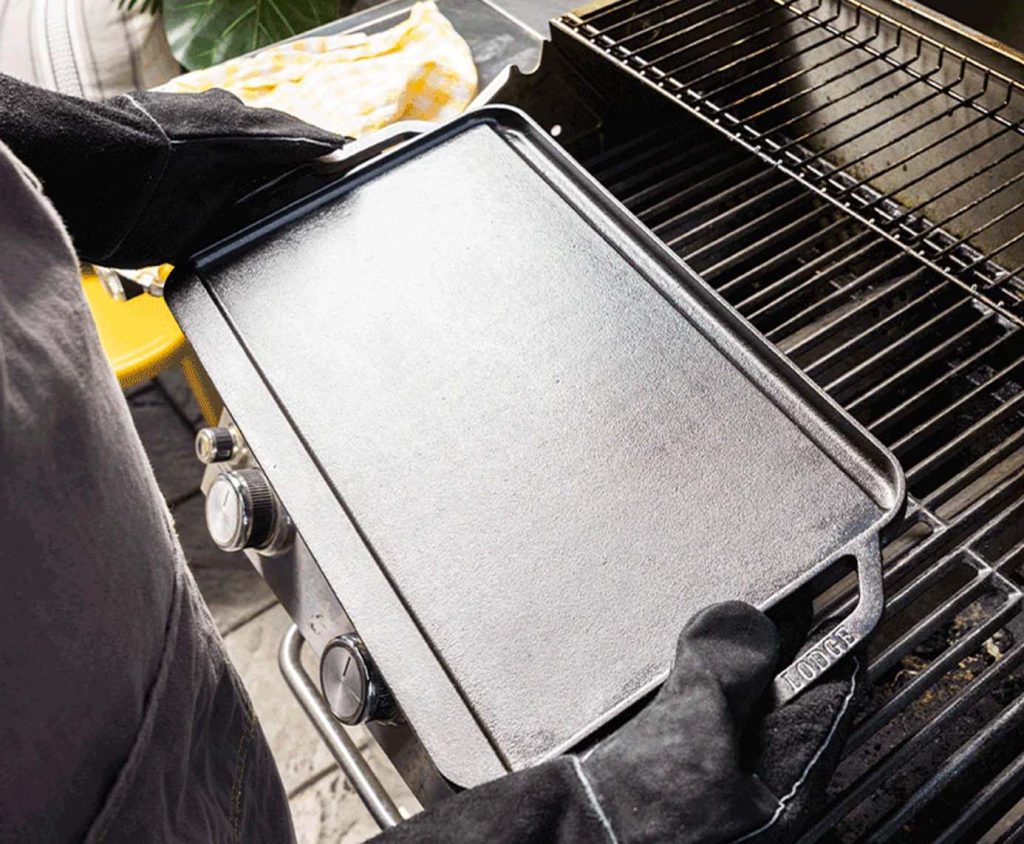
Avoid sudden temperature changes: Don’t rinse a hot skillet with cold water; it can damage the structure.
Use it often: Cast iron has a unique trait—the more you use it, the smoother the surface and the more stable the seasoning.
In both my kitchen and camping scenarios, LodgeCastIron has become one of my most-used tools. Frequent use has actually made it perform even more reliably.
Cast Iron is Simpler Than You Think
At first, I thought cast iron was difficult to maintain. After using LodgeCastIron, I realized the opposite.
It doesn’t require complicated routines or constant worry. Just follow a few basic steps: clean, dry, and apply a thin layer of oil, and it will last for years.
Compared to nonstick cookware, which needs frequent replacement, cast iron is a “better the more you use it” choice.
For me, a cast iron skillet has become more than just a kitchen tool—it’s a long-term cooking companion. And LodgeCastIron makes that journey simple, reliable, and easy to maintain.